



Unplugging Bad Habits: How to Starve Cravings and Rewire Your Mind
Executive Summary
Destructive impulses—such as overeating, compulsive spending, or digital addiction—are not inescapable traits of character, but automated neural loops solidified through repetitive gratification. Lasting liberation comes neither from harsh self-reproach nor indulgent pacification, but from consciously cutting the supply of attention and energy until the craving withers away. By recognizing habit agitation as the final tremor of an expiring routine, we can anchor the mind as master and re-establish a life of clean composure.
Automated Pathways of the Brain
People frequently lament that they are powerless against their own cravings, mood swings, or destructive habits—whether that manifests as binge eating, mindless consumerism, or hours lost to digital screens. From the joint perspectives of modern neurobiology and Buddhist insight, these behaviors are not an unalterable fate. They are automated programs operating within a nervous system that has been systematically reinforced over time.
Each time we yield to an impulse or feed a craving, we send an electrical surge through an established neural pathway, strengthening its physical groove. With repeated indulgence, this pathway grows dense and dominant, coalescing into an automated physiological reflex. By continuously surrendering to these routines, one is reduced to a dependent servant of fleeting desires. The resulting exhaustion and mental instability gradually impair the equilibrium of the nervous system, stripping away our ability to steer our own lives.
Cutting the Power: The Restlessness of an Expiring Urge
Overcoming an ingrained habit cannot be accomplished by bargaining with it, nor by brute emotional suppression. The only effective strategy is to completely halt its power source: withdraw all conscious attention and emotional fuel.
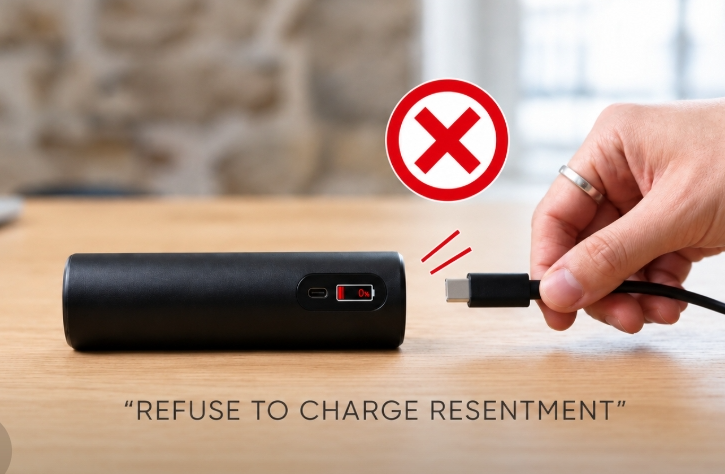
When you refuse to charge an old circuit, it does not disappear quietly. It invariably stages an intense psychological counterattack, manifesting as acute agitation, restlessness, and an unbearable inner itch.
This moment of discomfort is the decisive turning point. The noisy rebellion of the habit does not mean you are failing; it is physical evidence that the pathway, starved of fuel, is withering and dying. Rather than soothing or humoring this craving, the disciplined practitioner remains clear and composed, watching the sensation rise and subside across time. In doing so, inner wisdom remains intact.
The Mind as Sovereign: Reorienting the Inner Compass
The human mind possesses immense organizing and governing authority:
When the mind leans toward disarray, negligence, and unchecked indulgence, its magnetic force continuously draws vexations, conflict, and adverse circumstances into our field of experience. Conversely, when we establish an uncompromising moral framework and resolutely refuse negative impressions, that same inner power reverses its magnetic polarity, repelling afflictions and confusion from our space.
By learning to stand as the undisputed sovereign of our own awareness, we reclaim the ability to build an ordered, luminous, and purposeful life.