



The Gift Hidden in Insult

Based on the Oral Teachings of August 8, 2026
Chapter 1: Discipline Is Freedom, Not a Cage
A truly awakened person naturally keeps ethical boundaries—not because someone forces them to, but because they understand something simple: breaking those boundaries is the direct root of suffering, and keeping them is the foundation of genuine joy. The moment you break a boundary, you immediately plant a seed of future trouble, and even in that very moment you feel an inner friction and anxiety. Someone who lives with integrity, on the other hand, carries a natural, easy peace—a subtle fragrance of mind that puts everyone around them at ease. This isn’t blind rule-following; it comes from deep, intuitive understanding. People who lack this understanding view boundaries as annoying obstacles standing in the way of their freedom, which is completely backwards.
Take something as simple as honesty. Someone who habitually lies slowly destroys all trust with others until, one day, no one believes a word they say. Imagine being so isolated that even if you were starving on the street, people would suspect you of running a scam. That outcome isn’t bad luck. It is the direct, almost mathematical result of how a person governs their actions. Happiness and suffering, freedom and entanglement—none of it is random. We build it ourselves, one choice at a time.
Chapter 2: Nothing Is Actually Happening
There is an ancient saying: there was never anything wrong with the world—it is only confused minds that trouble themselves. Almost everything we cry over or celebrate is a subjective story we made up in our own heads. Concepts like “good and bad,” “right and wrong,” or “success and failure” do not exist as absolute facts in nature. They are merely labels we stick onto reality. The real trouble starts when we forget they are just labels and start treating them as absolute truth. At that point we are like someone sitting in a movie theater, sobbing bitter tears or getting furious over fictional characters on a flat screen—even if you tore the screen open, you would never find a real person inside.
Fixing this does not require years of complicated, multi-stage methods. As a classic teaching reveals: the moment you recognize the illusion, you are immediately free of it; the moment you are free of it, you are instantly awakened—with no gradual steps required. If your mind gets “sticky”—circling back to a specific craving or grudge—you don’t need to fight the thought directly. Simply redirect your focus toward something of real value. If you are obsessing over food, remember that food is just a passing phenomenon with no inherent “good or bad.” Eat what is necessary to keep a clear mind, and stop overthinking. Better yet, turn your attention toward your inherent wealth: ground yourself in the boundless peace, wisdom, and goodness that are already fully present inside your true nature.
Chapter 3: We Live Inside a Hologram We Built Ourselves
In classic spiritual teachings, the Buddha once marvelled out loud: “How strange! How is it that these living beings possess the complete wisdom of the Tathagata, yet in their ignorance and delusion, they neither see nor recognize it? I shall teach them the sacred path so they may permanently free themselves from delusional attachments and discover within their own bodies the vast wisdom of the Buddha, no different from the Buddha’s own.” We don’t lack wisdom; we are simply too distracted by illusions to notice it is already there.
Another timeless text points out how our mental definitions work: when we call something “dust,” that is just a name, not the thing itself; when we call something “the world,” that is also just a name. Modern science reveals the exact same truth about our physical experience. What we see as a world full of vivid color doesn’t objectively contain color at all—physically, it is only electromagnetic waves of varying frequencies. Our eyes receive these raw waves, and our brain translates them into “color.” The red, blue, and green we see are entirely created inside our own minds. Once you see this, why fight, weep, or destroy ourselves over things that are merely our own mental translations?
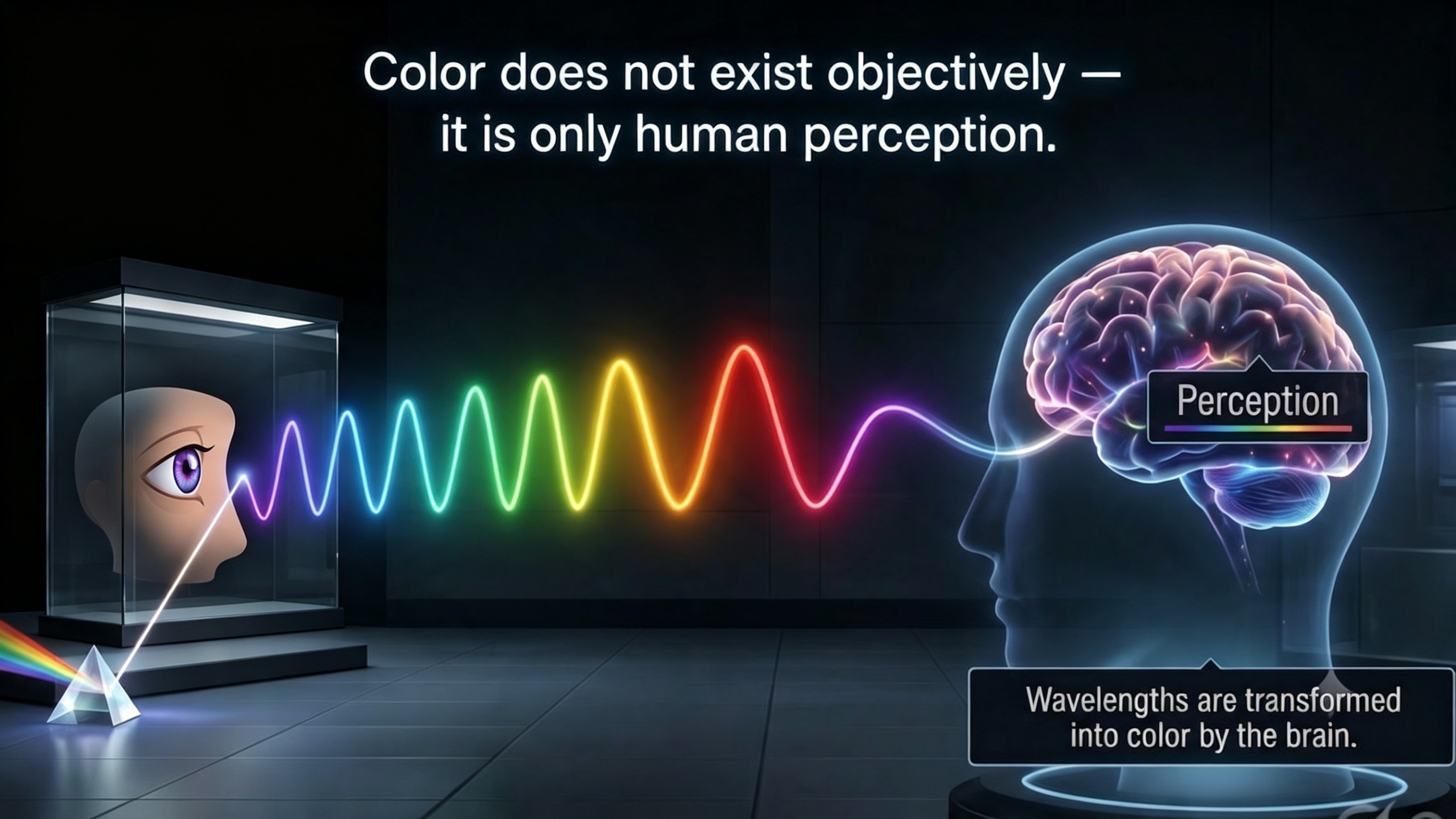
This applies directly to our relationships and sense of ownership. Look at how much drama this creates: in almost every household, the husband insists “she is mine,” and the wife insists “he is mine.” But rewind to when they were ten years old—did either of them believe they belonged to the other? No one did. The sense of ownership only appeared after the relationship was defined. At age ten, no one belongs to anyone. The moment we slap the label “mine” onto another human being, an immediate net of anxiety, control, and fear is born—and we spend our lives trying to hold onto something we were never able to truly grasp in the first place.
Chapter 4: Turning Pain Into Something Valuable
Here is one of the most radical teachings: how to handle being hurt, insulted, or mistreated. Picture the ordinary reaction. Someone kicks or insults you without cause, and your instinct is to retaliate. So you fight back, and eventually both of you end up in the hospital with broken legs, paying heavy medical bills and suffering in pain. You might tell yourself, “I broke his leg too, so I didn’t lose!” But in reality, both sides destroyed themselves.
Now look at the exact same event through a deeper lens. The Diamond Sutra teaches that if a person who practices this wisdom is looked down on or degraded by others, it is actually the clearing of heavy past debts that would otherwise drag them into far worse suffering down the road. Because of the hardship endured right now, that old debt is completely erased, opening the path to swift inner liberation. When you understand this, the whole dynamic changes. The person abusing you is actually taking on the ugly burden of clearing your old debts for you—debts you would otherwise have to pay off slowly over a long time. Who you really are—your underlying spiritual nature—can never be harmed, stolen, or defined by external abuse. What people attack is only a surface projection, not your true self. Instead of reacting with anger, you can remain completely peaceful, smile, and think: thank you for helping me clear that debt. You are not a victim; you are being set free.
Chapter 5: Mind Your Own Life
We cannot force the world to change, nor can we stop other people from placing labels on us. If others choose to live in conflict, that is their personal choice, and it will shape their own path. Your top priority is to protect your own inner peace. Let others act as they choose. Whether they label me or not has nothing to do with who I truly am. I mind my own life and stay peaceful, joyful, and free. If people genuinely trust you and are ready to listen, quietly share this wisdom to help them find their own peace. This is true generosity, benefiting yourself and others at once. In daily life, only share what is helpful and welcome. If someone is determined to run toward their own harm and refuses to listen, step back elegantly. Let life itself be their teacher.
Do not carry other people’s emotional mess around in your own head. Keep your inner space clean, and let your light shine quietly in a loud world.