



If It Breaks, Just Replace It
Transforming Anger into Wisdom Amid Everyday Losses
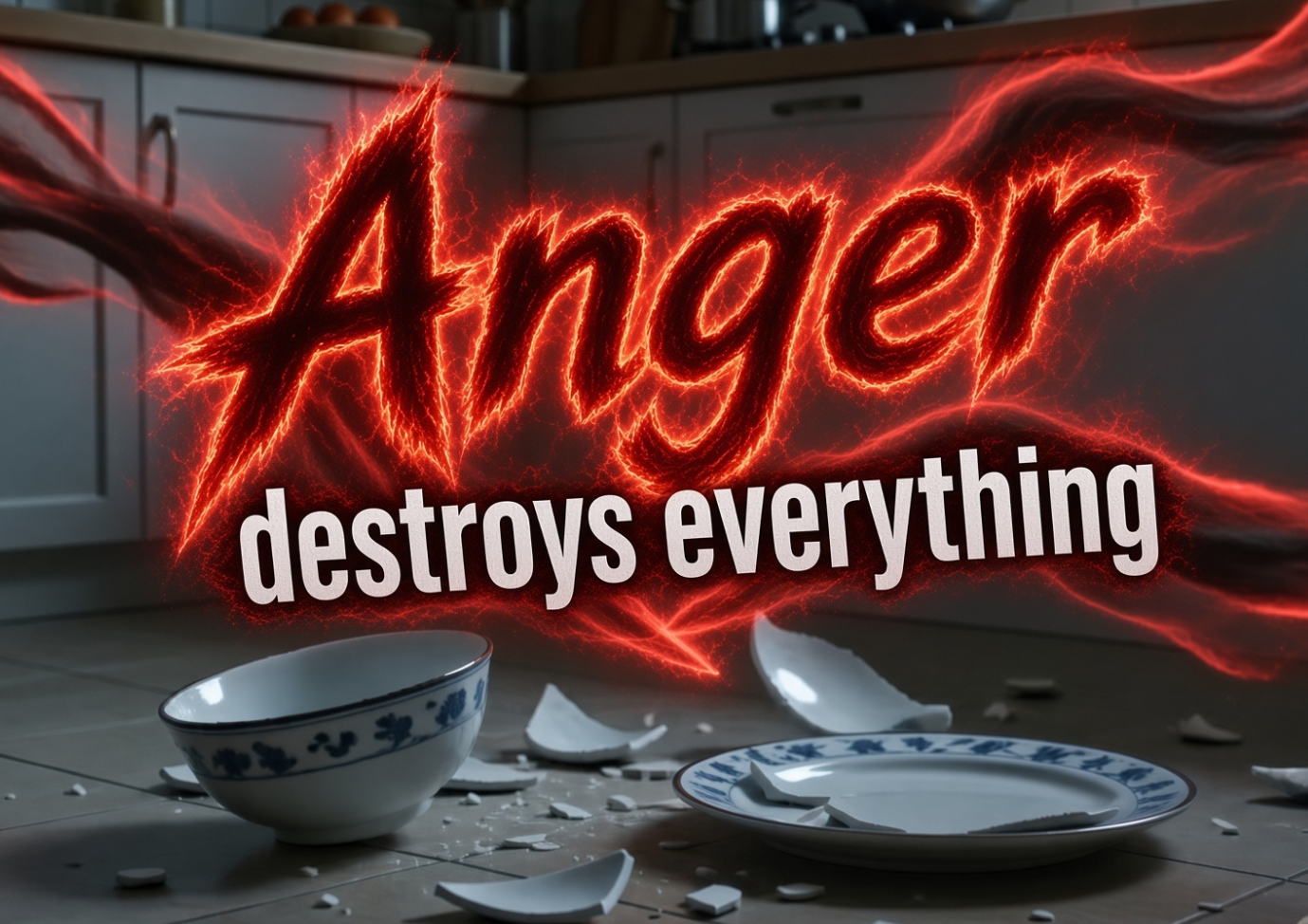
1. The Everyday Test: When Tools Are Broken
Someone borrows your pot or knife, breaks it, and walks away without any thought of making it right. The ordinary reaction rises at once: “How can they be so careless and refuse to take responsibility?”
Yet the Buddha taught that among all faults arising from negative karma, the harm of anger is the greatest. Anger solves nothing. Like an atomic bomb, it can instantly destroy the merit we have painstakingly accumulated.
2. Settling the Account of Cause and Effect
Whoever damages a tool that another person relies on plants a seed of loss. In the future, the things they themselves need and desire will tend to break or fail. They will find it hard to enjoy good and lasting things. That is their own karma ripening. There is no need for us to answer with anger.
When we ourselves must spend money on a replacement, the Master offers two simple shifts of mind:
- If you buy a new one, you simply get to use fresh tools. What is wrong with that?
- If you do not buy, then simplify. Make a modest meal instead of a complicated one. Life continues, and the heart becomes lighter and freer.
3. Wise Acceptance: “If It Breaks, It Breaks; If I Replace It, I Replace It”
A practitioner remembers: what we give to others returns to us. When tools are damaged, the one training in patience accepts the situation calmly and refuses to activate the inner magnet of resentment that drives merit away.
The next time something of yours is broken, pause. Take a deep breath. Silently remind yourself: “If it breaks, it breaks. If I replace it, I replace it.”
This open-hearted acceptance protects the blessings already accumulated and marks the true beginning of freedom in body, speech, and mind.
May every practitioner turn ordinary losses into wisdom and dwell in lasting peace.